A Guide to Avoiding Debt Traps
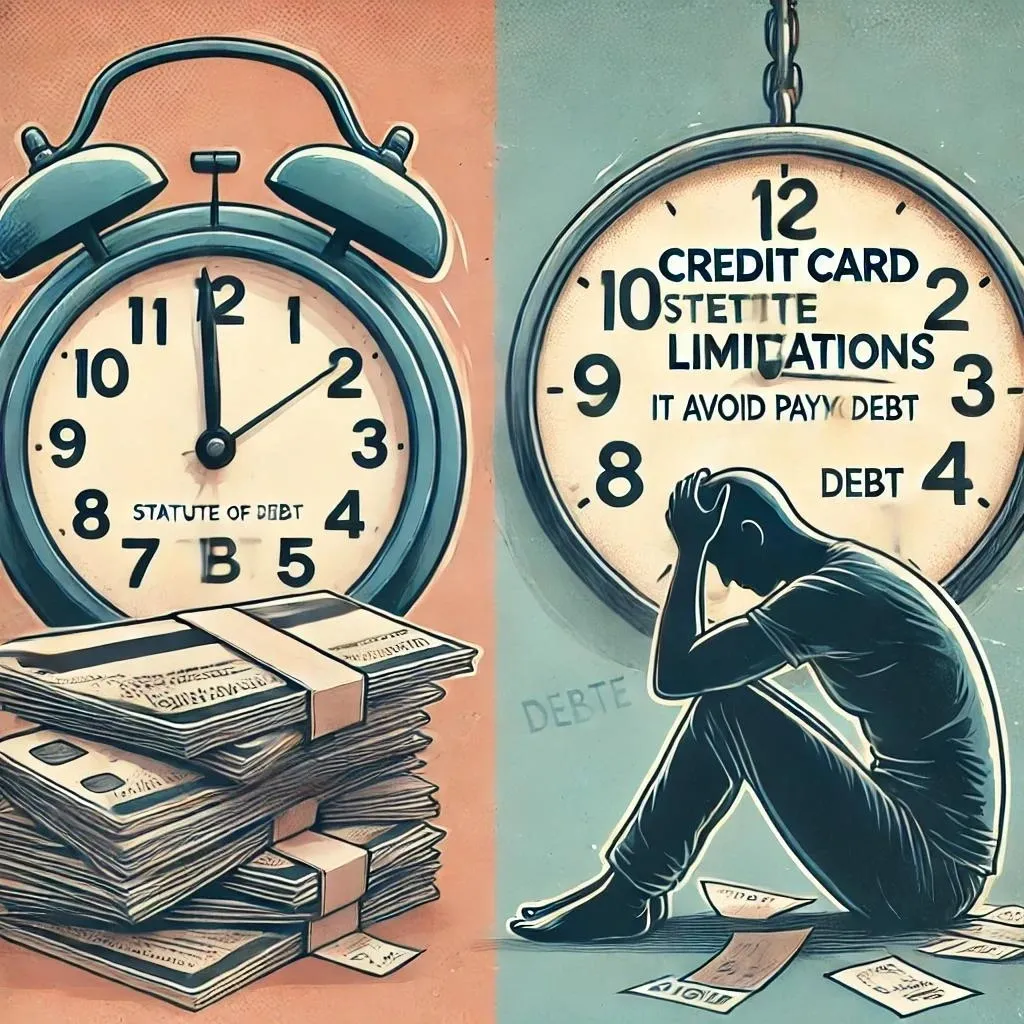
Did you know SOL is short for Statute of Limitations? Navigating credit card debt can be a daunting experience, especially when you’re unaware of the laws that could work in your favor. One such law is the statute of limitations on credit card debt, which sets a time limit on how long creditors can legally pursue you for payment. Understanding and leveraging this law can be a game-changer, potentially allowing you to avoid paying old debts entirely.
Watch the full video guide HERE
What is the Statute of Limitations?
The statute of limitations is essentially a countdown timer that begins when you first default on your credit card payment. This period varies by state, typically ranging from three to six years, though it can be as long as 10 or even 20 years in some places. Once the statute of limitations expires, creditors lose their legal right to sue you for the debt. However, they can still try to collect it, but any legal action would be barred.
How It Can Benefit You
If you have old credit card debt, knowing your state’s statute of limitations is crucial. Once the statute expires, you have the upper hand. Creditors and junk debt buyers (companies that purchase old debts for pennies on the dollar) rely on the fear of lawsuits to pressure payments. But if the statute has expired, you can refuse to pay, knowing they can no longer sue you.
For example, if you live in California, where the statute of limitations is four years, and you stopped paying your credit card bill more than four years ago, you’re in the clear from a legal standpoint. They can call and send letters, but they cannot take you to court.
The Importance of Not Acknowledging the Debt
One critical aspect to be aware of is that if you acknowledge the debt, make a payment, or enter into a new payment agreement, you can reset the statute of limitations. This is why it’s essential to be cautious when dealing with debt collectors. Always refer to it as the “alleged debt” and avoid making any payments unless you’re prepared to pay it off in full, ideally with a settlement.
Tips for Handling Debt Collectors
- Do Not Acknowledge the Debt: When contacted by a debt collector, never admit the debt is yours. Instead, ask them to provide proof that they own the debt and that it’s still within the statute of limitations.
- Use the Fair Debt Collection Practices Act (FDCPA): This federal law protects you from harassment by debt collectors. If they violate the FDCPA, such as by calling you at odd hours or failing to cease contact when requested, you may have grounds to sue them.
- Request Validation of the Debt: Under the FDCPA, you have the right to request that the debt collector validates the debt, providing proof that they own it and that it’s still enforceable.
- Keep Records: Document all interactions with debt collectors, including letters and phone calls. This information could be vital if the matter ends up in court.
- Consider Bankruptcy as a Last Resort: If you’re overwhelmed with debt and see no way out, bankruptcy might be an option. However, it’s a serious step that will affect your credit for years to come. Consult with a financial advisor or attorney before making this decision.
- This is not legal advice and please watch the full video guide HERE to get a better understanding on how you can avoid paying any and all credit card debt.
The Final Step: Outlasting the Statute of Limitations
In many cases, your best strategy is simply to outlast the statute of limitations. This means not acknowledging the debt, not making payments, and avoiding actions that might reset the clock. If you can do this, the debt will eventually become unenforceable, and you can legally refuse to pay it.
The credit card statute of limitations is a powerful tool that can help you avoid paying old debts. However, it requires careful navigation and a good understanding of your rights. By staying informed and proactive, you can protect yourself from aggressive debt collectors and make the best financial decisions for your future.
Watch the full video guide HERE