In this guide, we’ll walk you through the process of changing out the PCV (Positive Crankcase Ventilation) valve on a 2012-2016 Toyota Prius. This task is essential for maintaining your vehicle’s performance and preventing potential engine issues. The tools
required and detailed steps are outlined below. Watch video guide HERE
Tools You’ll Need:
- 19 mm deep socket (If unavailable, a 5/8 mm spark plug socket can be used)
- 10 mm socket
- Needle-nose pliers
Step 1: Locate the PCV Valve
The PCV valve on the Toyota Prius is located near the back of the engine. Before starting the replacement, ensure that you have the OEM (Original Equipment Manufacturer) PCV valve, especially if you’re dealing with a check engine light situation. OEM parts are recommended to ensure proper fit and function.
Step 2: Gain Access to the PCV Valve
To access the PCV valve, you’ll need to remove a 10 mm bolt. This will give you more room to work. If you require additional space, you can also remove the spark plug coil by lifting it out after removing the 10 mm bolt.
Step 3: Remove the Old PCV Valve
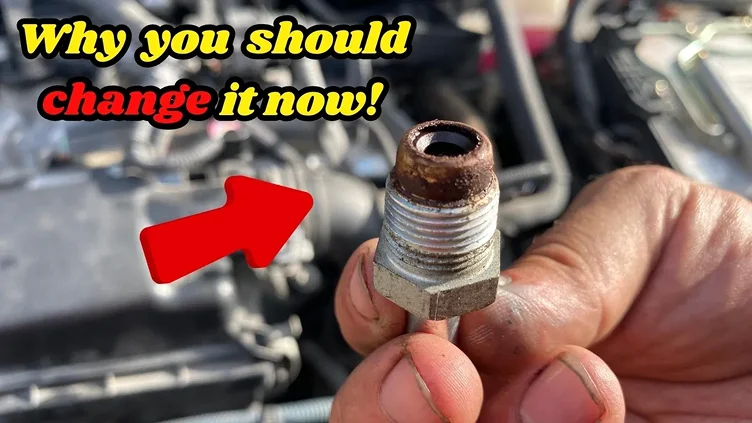
With the bolt removed, use needle-nose pliers to carefully move the hose clip back, then gently work the hose off the valve. Be cautious not to damage the hose. Next, use your 19 mm socket and ratchet to remove the old PCV valve. Due to limited space, you might need to use a shorter extension to get better access.
Step 4: Install the New PCV Valve
Once the old valve is out, start installing the new valve by hand to ensure it’s properly threaded. Tighten the valve to the manufacturer’s torque specifications, ensuring it is securely in place.
Step 5: Reassemble
After the new PCV valve is installed, slide the hose back onto the valve and move the clip back into its original position. Reinstall the 10 mm bolt and the spark plug coil if you removed it earlier.
Importance of Replacing the PCV Valve
The PCV valve plays a critical role in managing the pressure in the engine’s crankcase. On hybrid vehicles like the Prius, where the engine frequently starts and stops, maintaining a functional PCV valve is even more crucial. If the valve is not functioning properly, it can lead to oil contamination, increased fuel odor in the oil, and even damage to the engine’s seals.
Potential Issues from a Faulty PCV Valve
If the PCV valve remains closed, pressure can build up in the crankcase, leading to blown gaskets or oil leaks. On the other hand, if the valve remains open, it can cause excessive oil consumption, which can damage the exhaust system, including the catalytic converter. Regularly replacing the PCV valve, typically every 50,000 miles, is a simple and cost-effective way to prevent these issues.
Conclusion
Replacing the PCV valve on your Toyota Prius is a straightforward task that can prevent significant engine problems down the road. By following the steps outlined above, you can ensure that your vehicle remains in optimal condition. Regular maintenance, including timely PCV valve replacement, will help extend the life of your engine and improve its performance.
Watch video guide HERE