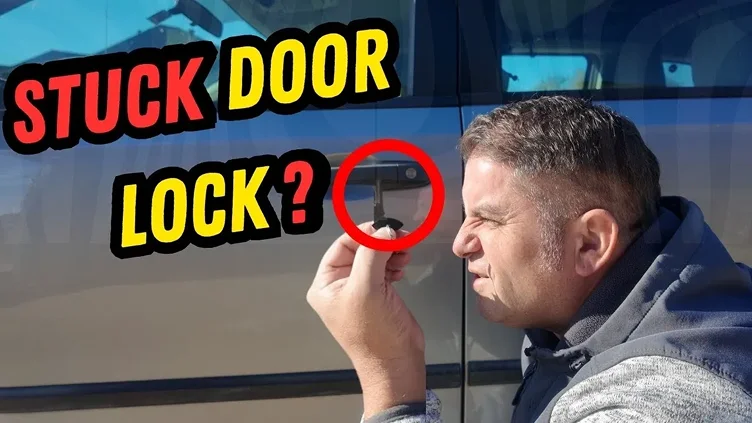
Few things are more frustrating than being locked out of your car on a cold winter morning, especially when you hit the unlock button, and nothing happens. Even attempting to manually unlock the door with a key can result in disappointment when the lock doesn’t turn. Fortunately, with a bit of patience and the right tools, you can fix this issue yourself without calling a locksmith.
Here’s a comprehensive guide to diagnosing and fixing a jammed door lock cylinder, as shared by an experienced car dealership professional.
Watch the full video HERE.
Step-by-Step Fix for a Jammed Lock
Tools You’ll Need:
- Penetrating oil: WD-40 or a similar product
- Straw attachment for precision spraying
- Flat-tip screwdriver (optional)
- Clean rag for wiping excess lubricant
1. Apply Lubricant to the Lock
Start by spraying a generous amount of lubricant into the keyhole. If your straw attachment doesn’t fit, use a flat-tip screwdriver to gently guide it into place. Spray cautiously to avoid getting lubricant on your skin or eyes.
2. Wiggle the Key
Insert your key and gently wiggle it in all directions. Avoid using excessive force to prevent damaging the lock or key. If the key is dirty, clean it with a rag before reinserting it.
3. Repeat the Process
Alternate between spraying lubricant and wiggling the key. This process loosens rust and dirt inside the lock, allowing the tumblers to move freely.
4. Inspect for Movement
While turning the key, observe the door lock knob. If it begins to move, you’re making progress. If not, continue applying lubricant and wiggling the key, being careful not to over-leverage.
5. Use Heat for Extreme Cold
If the lock is frozen due to cold weather:
- Use a hairdryer or heat gun on a low setting to gently warm the door panel and lock area.
- Alternatively, pour warm (not boiling) water over the lock to thaw the mechanism.
Common Causes of Jammed Locks
- Rust: Over time, moisture can cause rust buildup in the lock cylinder. Spraying lubricant helps dissolve the rust.
- Dirty Tumblers: Dirt and debris can prevent the tumblers from catching. Lubricants clean and loosen the internal components.
- Temperature Extremes: Cold weather can freeze locks, while extreme heat can expand and jam components.
Pro Tips for Preventing Future Issues
- Regular Maintenance
Use a graphite lubricant after freeing the lock to ensure smooth operation. Graphite won’t attract dust and keeps the mechanism clean. - Inspect Keys for Damage
A worn or bent key may not engage the tumblers properly. If your key is damaged, use a spare or have a new one made. - Avoid Heavy Keychains
Large, heavy keychains can wear down the lock mechanism over time.
Backup Solutions
- Access the Vehicle Battery
Many modern vehicles have only one lock cylinder. To avoid being locked out entirely, consider running a single wire from the positive battery terminal to an accessible location behind the grill. This allows you to inject 12 volts to unlock the door in emergencies. - Inexpensive Lock-Opening Tools
Air wedge tools and slim jims are affordable alternatives that can help you gain entry without damaging the vehicle. - Consider Glass Replacement
If all else fails, replacing a window may be cheaper than calling a locksmith. Contact a glass repair shop for a quote before resorting to this option.
Key Takeaways
- Patience is Crucial: Take your time and avoid forcing the key or lock to prevent further damage.
- Use the Right Tools: Lubricants, heat, and inexpensive unlocking tools can save the day.
- Maintenance Matters: Regular upkeep can prevent lock jams, especially in extreme weather.
By following these tips, you can regain access to your vehicle without expensive locksmith fees. For more detailed instructions and additional troubleshooting tips, visit Random Fix on YouTube. If you’ve encountered unique solutions or challenges with frozen locks, feel free to share them in the comments below!