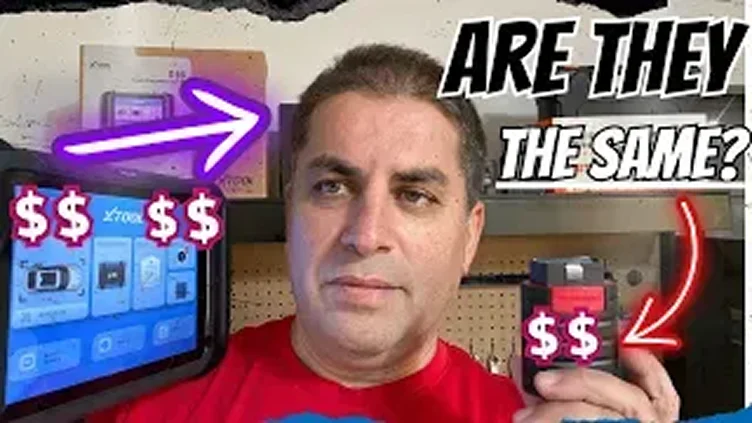
Modern cars are increasingly complex, equipped with numerous onboard computers that control everything from engine performance to the infotainment system. For car enthusiasts, mechanics, or anyone needing vehicle diagnostics, choosing the right scan tool is critical. Should you opt for an app-based Bluetooth scanner or invest in a professional-grade device? Let’s dive into the details to help you make an informed decision.
Watch the full video HERE.
The Rise of App-Based Scan Tools
App-based scan tools like those from ThinkCar, BlueDriver, and Topdon have gained immense popularity for their affordability and convenience. With over 50,000 reviews on Amazon, these tools are a go-to option for budget-conscious users. They connect to your vehicle via Bluetooth and pair with your smartphone, providing basic diagnostic capabilities such as reading and clearing error codes.
Advantages of App-Based Tools
- Cost-Effective: Typically priced under $100, they are ideal for beginners or casual users.
- Portable: Their compact size makes them easy to carry and use.
- Basic Functionality: Sufficient for simple diagnostics, such as checking for smog compliance or identifying generic issues.
Limitations
- Compatibility Issues: App-based tools primarily support vehicles from 1996 onwards, limiting their usefulness for older models.
- Glitches and Reliability Concerns: Unexpected issues can arise, as highlighted by a real-world experience. An app-based device failed during a throttle body relearn, leaving the vehicle inoperable—an issue that could have been avoided with a professional-grade scanner.
- Limited Features: Many app-based tools lack advanced features like graphing or performing active tests, which are essential for diagnosing modern vehicles with complex systems.
Professional-Grade Scan Tools: A Long-Term Solution
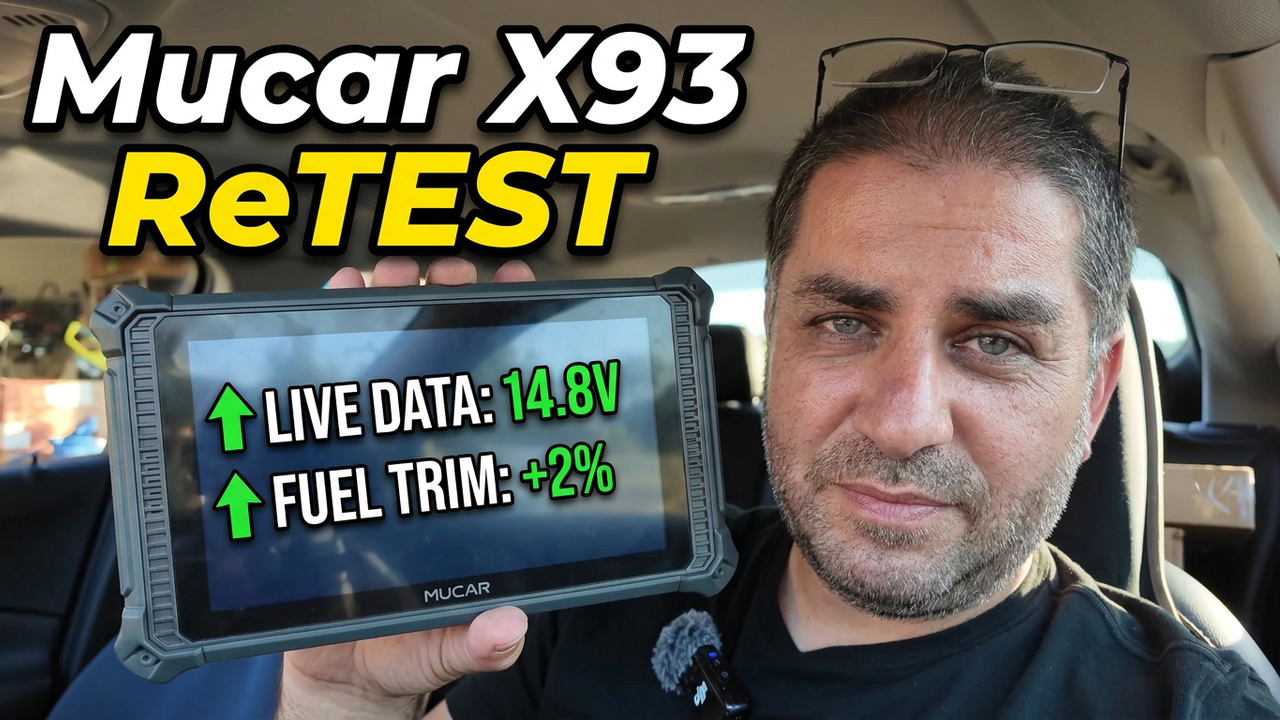
Devices like the XTool D8S provide a robust alternative. While these tools require a higher upfront investment, they offer comprehensive diagnostic capabilities, including reading advanced systems like transmission, ABS, and airbag modules.
Advantages of Professional Tools
- Advanced Functions: Capable of performing active tests, graphing multiple parameters, and accessing advanced vehicle systems.
- Reliable Performance: They are less prone to glitches, ensuring a seamless diagnostic process.
- Future-Proof: These tools often come with software updates, keeping them compatible with newer vehicles and systems.
Drawbacks
- Higher Cost: These devices can range from $300 to over $2,000. However, they often include years of software updates.
- Less Portable: Their larger size makes them less convenient to carry around.
Key Considerations When Choosing a Scan Tool
1. Vehicle Age and Complexity
- For vehicles from 1996 to 2023 with multiple computers, a professional-grade tool is a better choice.
- App-based tools may suffice for older or simpler vehicles.
2. Frequency of Use
- If you’re a hobbyist conducting occasional diagnostics, an app-based tool might be sufficient.
- For frequent or professional use, invest in a reliable, comprehensive scan tool.
3. Budget vs. Long-Term Costs
While app-based devices save money upfront, misdiagnosing issues can lead to costly repairs or incorrect part replacements.
A Practical Comparison
To illustrate the differences, let’s examine a scenario:
- App-Based Tool: Limited to reading basic error codes and resetting the check engine light.
- Professional-Grade Tool: Performs a throttle body relearn, graphs real-time data, and identifies specific issues like faulty wiring or sensors.
In this example, the professional-grade tool not only saves time but also prevents misdiagnosis, avoiding unnecessary expenses.
Final Thoughts
App-based scan tools offer an accessible entry point for car diagnostics, but their limitations become evident with more complex vehicles or advanced diagnostic needs. Professional-grade tools, while more expensive, provide reliability, advanced features, and peace of mind, making them a worthwhile investment for serious users.
Recommendation
- Beginner or Hobbyist: Start with an app-based tool like BlueDriver for basic diagnostics.
- Professional or Frequent User: Invest in a comprehensive tool like the XTool D8S for long-term reliability and versatility.
Choosing the right tool depends on your specific needs and budget, but for modern cars with intricate systems, the professional option often pays off in the long run.