Buying a used car is often a major investment, especially as used car prices continue to rise. However, a hidden danger could be lurking in your next vehicle purchase—odometer fraud, or the rolling back of miles to make a car appear less worn than it actually is. Despite paying thousands of dollars for a seemingly “lightly used” car, buyers often discover they’ve been deceived by tampered mileage.
Watch the full video HERE.
Understanding Odometer Fraud
Odometer fraud is nothing new in the car industry. Unfortunately, it’s more sophisticated now than ever, with easy access to high-tech devices that allow unscrupulous sellers to alter mileage records. This deception can make a high-mileage car look like a low-mileage gem, leading you to pay far more than the vehicle’s true worth. Not only does this impact your wallet, but it can also lead to higher repair costs down the road due to the increased wear and tear the car may have actually undergone.
Why Odometer Fraud Persists and How It’s Done
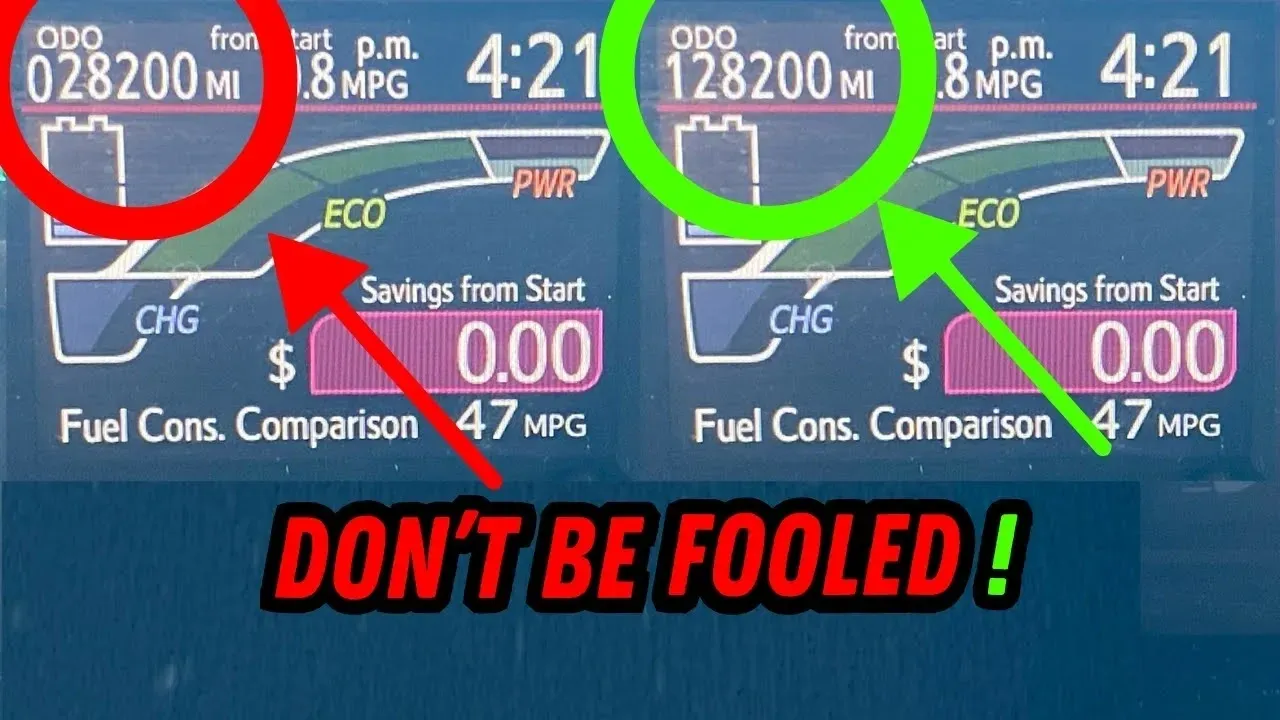
One popular tactic among scammers is to replace a car’s cluster panel with one showing a lower mileage from a salvaged vehicle. Particularly in hybrid cars, like the Toyota Prius, sellers will use junkyard parts to roll back the mileage, allowing them to charge higher prices for cars that are much more worn. Even worse, high-end mileage-blocking devices are now available for luxury cars. These can be programmed to record only a fraction of the actual miles driven, making it nearly impossible for unsuspecting buyers to know the real mileage. With a few clicks of a button, these devices can keep mileage down while the car is driven extensively.
How Car Scanners Can Help Detect Fraud
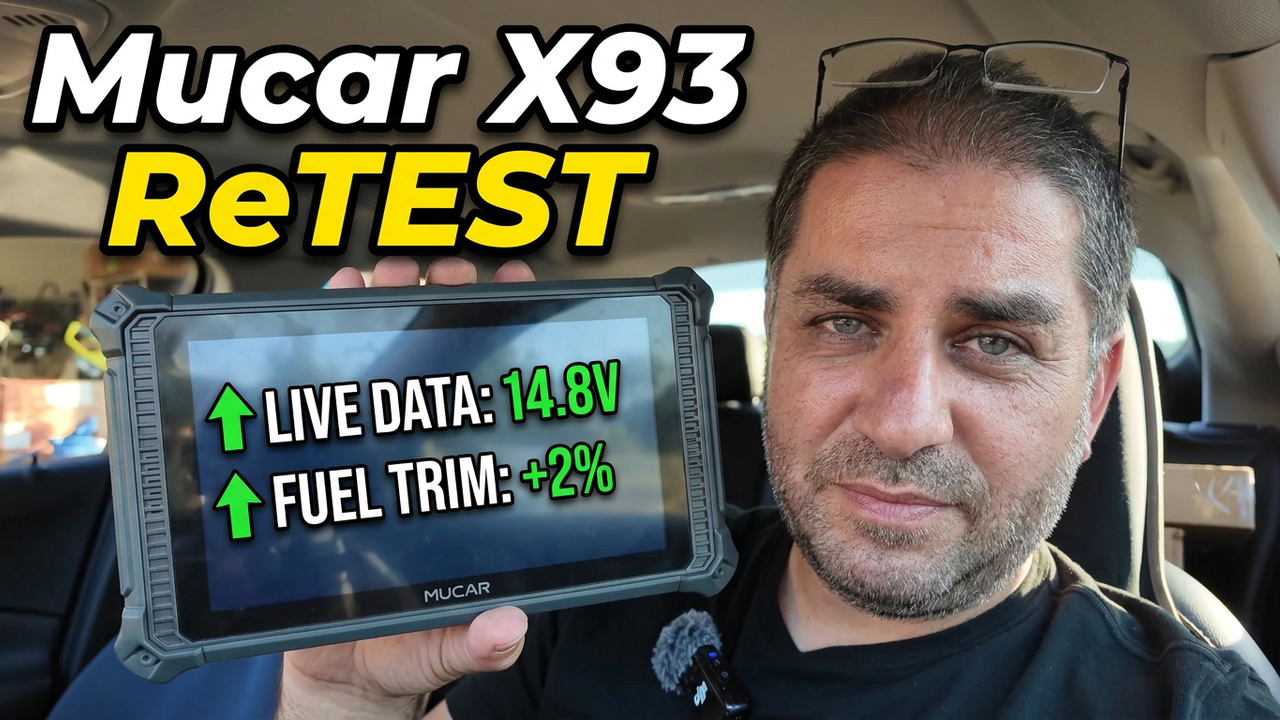
One of the most effective ways to verify a used car’s mileage is by using a specialized car scanner. These tools, like the Autofix D1 Pro S mentioned in this video, can verify mileage across multiple modules in the vehicle, not just the odometer. Since mileage is often recorded on other systems, such as the infotainment, transmission control, and engine control modules, a comprehensive scan can help you see if the mileage on the odometer matches these other sources.
By running this check, you can get a clear idea of the vehicle’s true mileage. If there are large discrepancies between the odometer and these additional modules, it can be a red flag indicating tampering.
Common Misconceptions: Can’t Carfax Detect Fraud?
Many buyers assume that using services like Carfax will reveal a car’s history, including any mileage fraud. However, Carfax relies on reported mileage records. Fraudsters know this and often target cars with gaps in reporting. They may roll back the odometer to a mileage just above the last reported figure, which allows them to avoid detection by Carfax. Because these reporting gaps exist, mileage verification through a scan tool that checks various internal modules remains one of the best defenses.
Why Newer Cars Are Easier to Verify
Newer vehicles tend to have more internal modules that record mileage data, making it harder for scammers to alter all the records without detection. While older cars may only log mileage in one or two locations, newer models can store it across ten or more systems, adding an extra layer of protection for buyers using a detailed scan tool. With this added complexity, any significant discrepancies are more likely to stand out, allowing potential buyers to avoid vehicles with questionable history.
Why Dealerships Aren’t Always a Safe Bet
Many buyers assume purchasing from a dealership ensures they’re getting a reliable vehicle with accurate mileage. However, the reality can be quite different. Some dealerships either aren’t aware of mileage tampering or don’t invest in high-quality scan tools to verify mileage themselves. Instead of spending on tools like the Autofix D1 Pro S, which costs a few hundred dollars, many dealerships skip this critical step and sell cars with unverified mileage. This can leave buyers with cars that may be far more worn than they seem.
Final Advice: Spotting and Avoiding Tampered Vehicles
If you encounter a vehicle with suspect mileage, or if a dealer seems hesitant to provide a detailed scan, consider it a red flag. It’s better to walk away and continue your search than to deal with the costly repairs and maintenance that can come with a misrepresented car. Even if the price seems right, a car with rolled-back miles is rarely worth the risk.
Protecting yourself from odometer fraud requires a bit of vigilance, but by using the right tools and being cautious, you can find a car that matches its true history. Remember, if the deal seems too good to be true, it probably is.