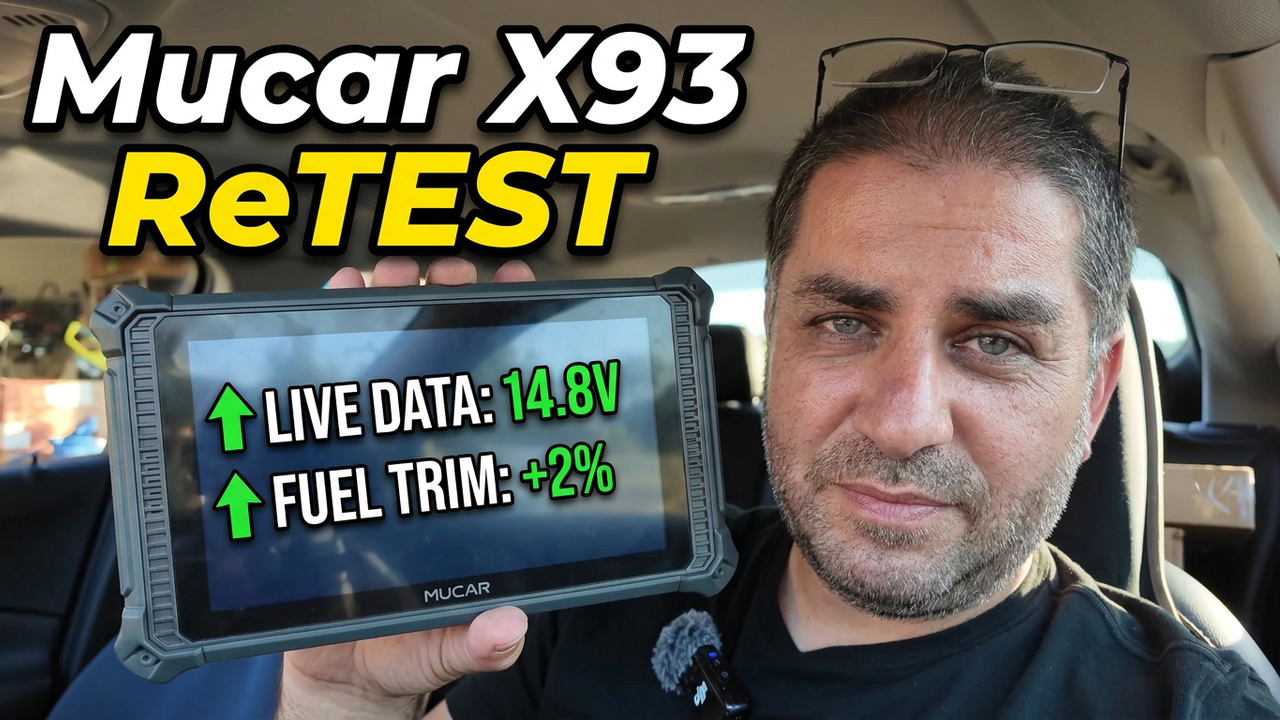
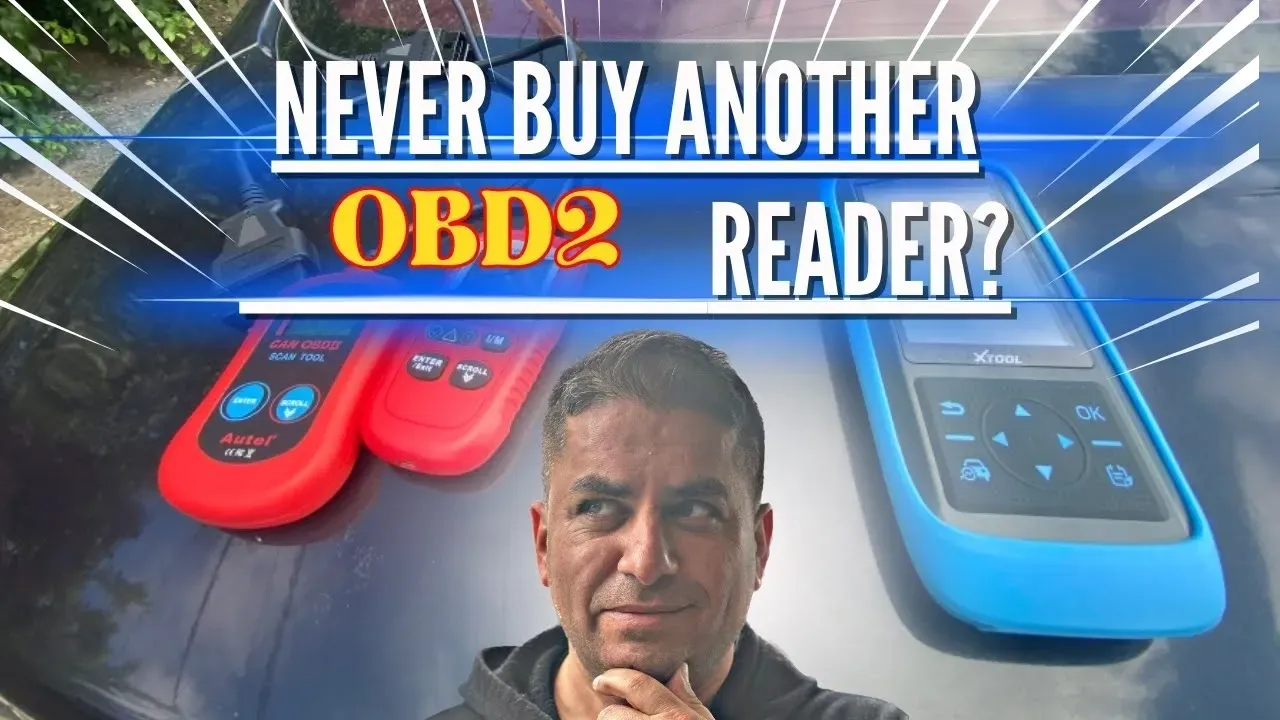
When it comes to vehicle diagnostics, not all tools are created equal. While OBD2 readers are widely available and affordable, they can’t hold a candle to the functionality of an OE-level scan tool. If you’re looking to repair your car or buy a new vehicle, investing in the right diagnostic tool can save you from unnecessary expenses and headaches. This article breaks down why OE-level scan tools are indispensable and exposes some questionable practices in the automotive industry.
Watch the full video HERE.
The Difference Between OBD2 Readers and OE-Level Scan Tools
Both OBD2 readers and OE-level scan tools connect to your car’s diagnostic port and access information from its onboard computer. However, their capabilities differ significantly:
- OBD2 Readers:
- Limited to generic diagnostic trouble codes (DTCs).
- Access only basic OBD2 protocols required for emissions testing.
- Cannot detect manufacturer-specific issues.
- OE-Level Scan Tools:
- Access both OBD2 and manufacturer-specific protocols.
- Provide detailed diagnostics, including engine, transmission, ABS, and airbag modules.
- Essential for identifying hidden problems that OBD2 readers cannot detect.
Case Study: The Nissan Transmission Issue
Let’s examine a real-world scenario that underscores the importance of OE-level scan tools. A Nissan Altima exhibited no visible issues—no check engine light, no obvious trouble codes—when scanned using an OBD2 reader. However, when the vehicle was connected to an OE-level scan tool, a fault code for the CVT (Continuously Variable Transmission) was detected.
The Consequences of Missing Critical Codes
The owner of the vehicle was unaware of the issue, and the dealer didn’t inform them, even though the problem was covered under warranty at the time. By the time the issue became evident, the warranty had expired, leaving the owner with a $3,500 repair bill.
The Sleazy Practices of Some Dealerships
Dealerships often rely on customers to pinpoint specific issues before performing warranty repairs. Without the proper tools, consumers can’t detect these problems, allowing dealerships to sidestep their responsibility.
How OE-Level Scan Tools Save Money and Frustration
An OE-level scan tool gives you the upper hand in identifying and addressing vehicle problems before they spiral out of control.
- Access to Manufacturer-Specific Data:
OE-level scan tools can read fault codes that generic OBD2 readers miss, ensuring nothing slips under the radar. - Early Detection:
By identifying issues early, you can address them under warranty or before they lead to more significant problems. - Smarter Negotiations:
Armed with detailed diagnostic reports, you can hold dealerships accountable and advocate for necessary repairs. - Long-Term Savings:
While OE-level scan tools cost more upfront (typically $150–$400), they can save you thousands in repairs and diagnostics fees.
A Shocking Parallel: Auto Repairs and Healthcare
To put the issue into perspective, imagine you have full health insurance with no deductible. You visit a hospital for a broken finger, but you’re also bleeding heavily from a leg wound. Despite seeing the wound, the doctor ignores it because you didn’t explicitly mention it.
This is essentially what some manufacturers and dealerships are doing. They have the tools and information to detect issues but won’t address them unless explicitly told to.
When OBD2 Readers Are Still Useful
While OE-level scan tools are essential for in-depth diagnostics, OBD2 readers have a limited but valuable role:
- Emissions Readiness: OBD2 readers can check inspection monitors to ensure your car is ready for smog testing.
- Basic Diagnostics: They’re suitable for quick checks or verifying whether a check engine light is active.
Tips for Choosing the Right Diagnostic Tool
If you’re in the market for a diagnostic tool, consider these recommendations:
- Research Reviews: Look for in-depth reviews and comparisons of scan tools to find one that suits your needs.
- Budget for Quality: Aim for tools in the $150–$400 range to ensure access to manufacturer-specific protocols.
- Future-Proofing: As vehicles become increasingly computerized, invest in a tool that can handle advanced systems.